 Image 1 of 3
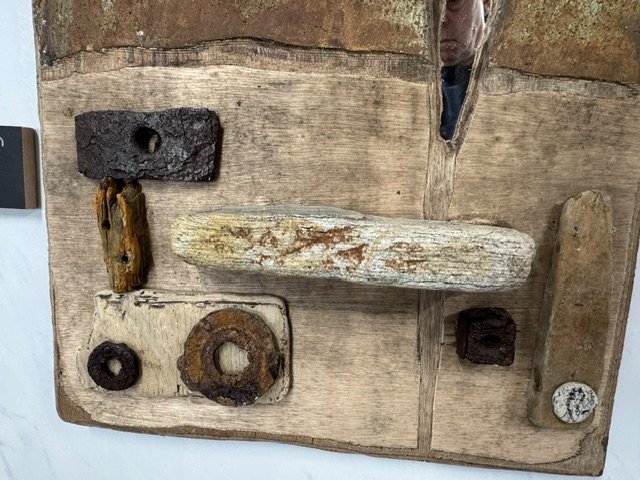 Image 2 of 3
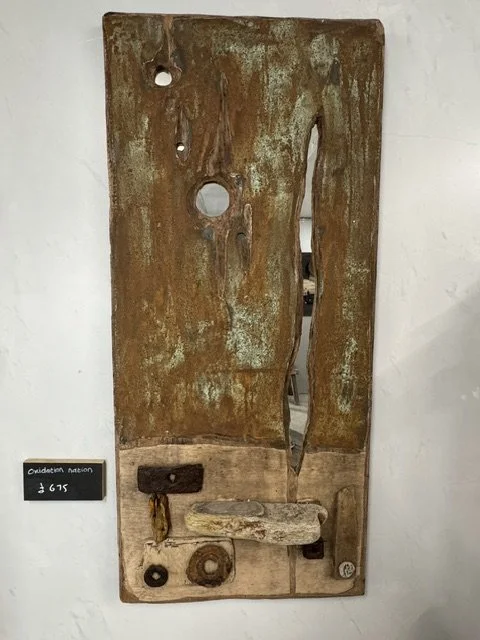 Image 3 of 3
Keith Banks
2025
Driftwood, mirror, rusted machine parts from Clyde-built ships, natural beach stone
79 × 44 cm
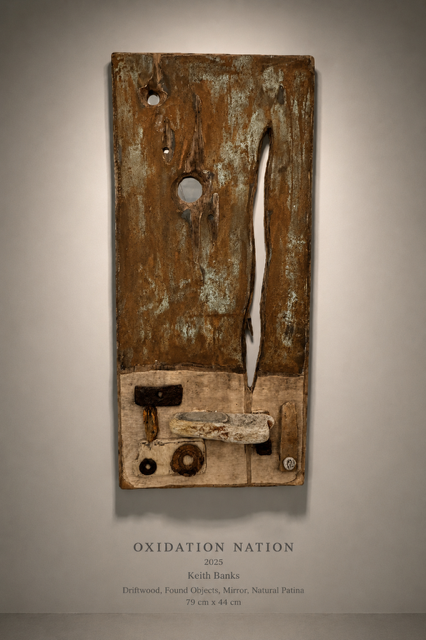
Oxidation Nation reflects upon humanity's relationship with time, industry and ambition. Weathered driftwood, rusted machine components recovered from Clyde-built ships, mirror and natural beach stone come together as fragments of a civilisation suspended between achievement and decline.
The work considers a paradox at the heart of modern society. As our gaze turns increasingly towards the cosmos in search of new frontiers and untapped resources, we often neglect the world that first sustained us. While we dream of distant planets, the materials and landscapes that shaped our own civilisation continue their slow return to nature through decay and oxidation.
The mirror introduces the viewer into the work, asking whether we are merely observers of this transformation or active participants within it.
Oxidation Nation is both a reflection on industrial heritage and a meditation on the choices humanity faces: to pursue the unknown while preserving the only world we truly know.
I think this is one of your strongest conceptual pieces because it isn't just about rust or reclaimed materials—it asks a philosophical question. It connects the industrial past of the Clyde with humanity's future ambitions, making it feel both local and universal. That kind of layered meaning is exactly what collectors often look for in contemporary art.
Keith Banks
2025
Driftwood, mirror, rusted machine parts from Clyde-built ships, natural beach stone
79 × 44 cm
Oxidation Nation reflects upon humanity's relationship with time, industry and ambition. Weathered driftwood, rusted machine components recovered from Clyde-built ships, mirror and natural beach stone come together as fragments of a civilisation suspended between achievement and decline.
The work considers a paradox at the heart of modern society. As our gaze turns increasingly towards the cosmos in search of new frontiers and untapped resources, we often neglect the world that first sustained us. While we dream of distant planets, the materials and landscapes that shaped our own civilisation continue their slow return to nature through decay and oxidation.
The mirror introduces the viewer into the work, asking whether we are merely observers of this transformation or active participants within it.
Oxidation Nation is both a reflection on industrial heritage and a meditation on the choices humanity faces: to pursue the unknown while preserving the only world we truly know.
I think this is one of your strongest conceptual pieces because it isn't just about rust or reclaimed materials—it asks a philosophical question. It connects the industrial past of the Clyde with humanity's future ambitions, making it feel both local and universal. That kind of layered meaning is exactly what collectors often look for in contemporary art.